
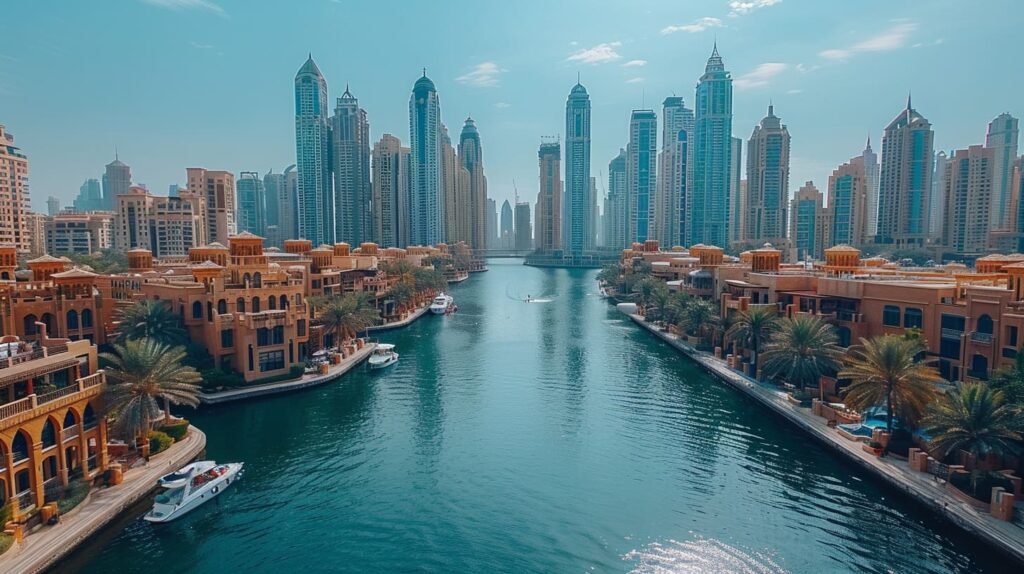
Many investors have capitalized on Dubai’s thriving real estate market, with projections indicating up to 7% growth in 2024, highlighting its lucrative potential. Achieving maximum returns when buying or selling property often hinges on strategic timing and alignment with real-time market dynamics. This article explores the factors investors should consider, including best practices and the importance of understanding the city’s market landscape to make informed decisions.
Property Market Trends
The housing market is volatile, making it crucial to monitor Dubai’s real estate transactions quarterly, especially when selling investment properties. In 2023, steady activity was observed: Q1 had 30,900 sales (51% year-on-year increase), Q2 had 30,300 sales (35% year-on-year increase, 2% decline from Q1), Q3 had 36,700 sales (44% year-on-year increase, 23% rise from Q2), and Q4 had 35,400 sales (23% year-on-year increase, 4% decline from Q3).
Q3 saw the highest sales, while Q1 had the most significant year-on-year growth, highlighting the importance of market dynamics in determining the best selling time. Seasonal variations are not the complete picture; completion times, usually one to two months, also matter. Investors should track these trends to find peak periods.
Overall, Dubai’s property prices rose by 18% from 2022 to 2023, with gross yields averaging 7%, reflecting a strong rental market. Current trends favor both buyers and sellers, making developments like Cove Residence by Imtiaz in Dubai particularly attractive for investment.
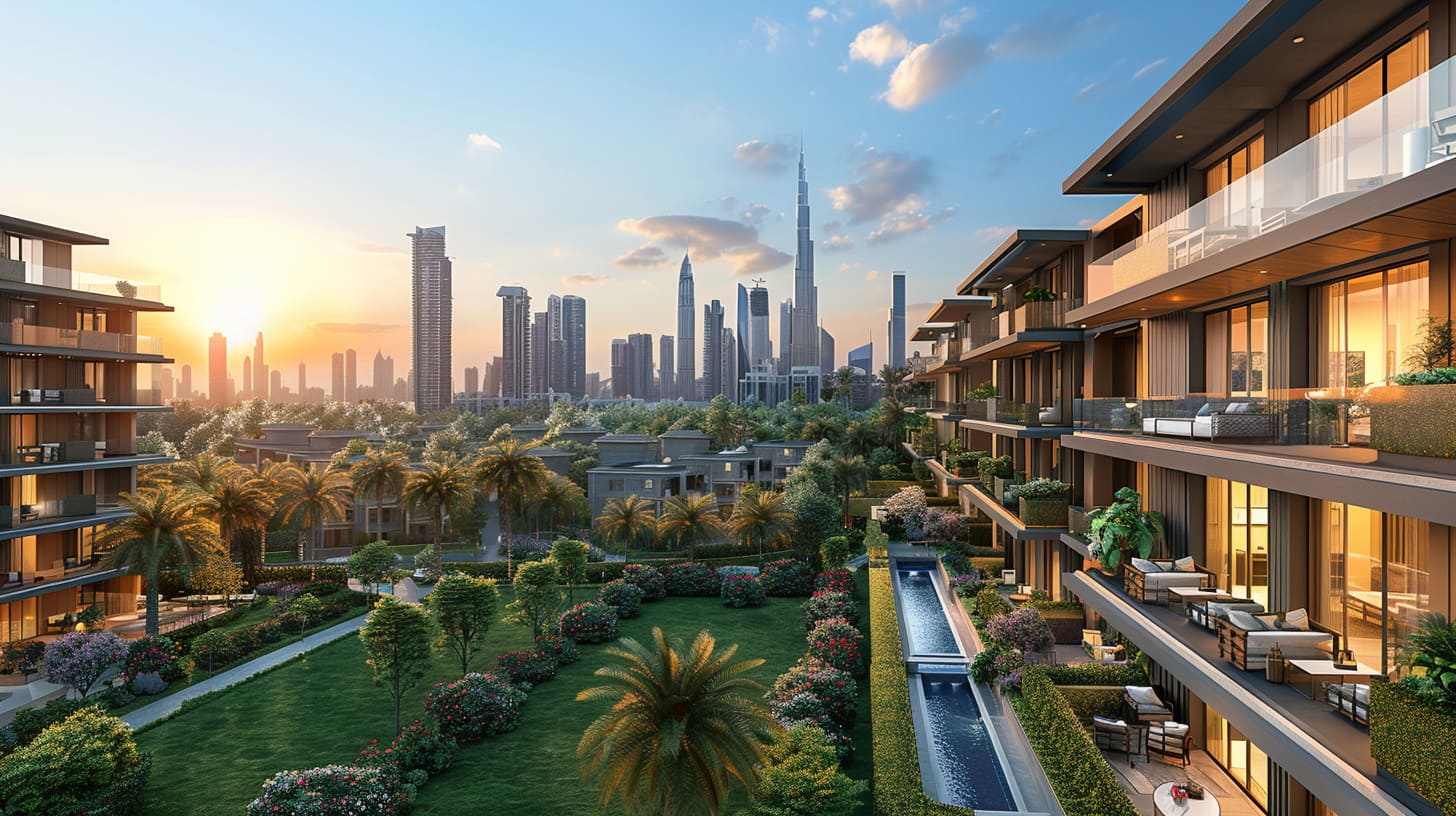
What Are the Profits of Purchasing Property in Dubai?
Dubai has become one of the top spots for property investment, offering high rental yields, zero capital gains, and income tax benefits, plus consistent market growth. In 2023, real estate growth was observed in every quarter, peaking during the winter season.
The first quarter saw a 5.5% rise, followed by a 4.7% increase in the second quarter, 5.1% growth in the third quarter, and an impressive 7.9% in the fourth quarter. This upward trend is likely to continue through 2024, with an estimated growth of about 5.1%, making Dubai a super attractive investment opportunity.
While overall figures are promising, average numbers can obscure profitability variability across different areas. In 2023, certain regions, such as Al Barsha South Fourth, Dubai Marina, Business Bay, Wadi Al-Safa 3, and Burj Khalifa, stood out for their exceptional transaction volumes, highlighting their popularity and investment potential.
Considering how regional market trends can change from month to month and year to year, it’s a good idea to chat with a local expert before making any investment decisions. This ensures investors are well-informed about the most and least profitable areas, aligning their choices with current market realities.
Dubai Seasonal Trends and Their Impact on Sales
Dubai’s climate affects market dynamics, with cooler weather from October to March attracting more visitors, including potential buyers, and warmer months from April to September seeing reduced buyer activity. While these seasonal variations are relevant, investment decisions should be guided by broader factors such as price trends, supply and demand, and economic indicators for optimal property transactions.
Wrapping It Up
Investing in Dubai’s property market offers exciting opportunities for both seasoned and new investors. With impressive growth rates, high rental yields, and favorable tax policies, Dubai is a top investment destination. To maximize returns, it’s essential to understand market dynamics, seasonal trends, and regional differences. Staying informed and seeking advice from local experts can help you make smart decisions and capitalize on profitable opportunities.
With steady growth projected for 2024, the future of property investment in Dubai looks bright, making it an ideal time to dive in.